Garden design and build in Downham
If you are looking for garden design and build in Downham, you are probably after more than a quick tidy-up. You may want a space that feels practical, attractive, and suited to the way you actually live. Perhaps your garden is a patch of lawn that never quite works, a blank space behind a new extension, or an older outdoor area that needs fresh ideas, better structure, and a proper plan. Whatever the starting point, a well-planned garden can add comfort, usable space, and visual appeal in a way that makes everyday life feel easier.
In Downham, gardens can vary widely. Some properties have compact rear plots where every metre counts, while others have larger family gardens that need clearer zoning for relaxing, dining, play, storage, and planting. You may also be working around side access restrictions, shared boundaries, slopes, mature trees, or existing patios that are no longer fit for purpose. A local garden design and build service is useful because it takes these realities into account from the very start, rather than applying a one-size-fits-all solution.
Whether you want a modern low-maintenance layout, a family-friendly garden, a stylish entertaining area, or a practical outdoor space for a commercial property, the right design process makes a big difference. From the first ideas through to construction and finishing details, a local team can help turn outdoor space into something that feels intentional, durable, and genuinely enjoyable to use.
Why choose a planned garden design instead of piecemeal improvements?

Many gardens are improved little by little: a few slabs added here, some planting there, maybe a shed moved into a corner or a fence replaced after a storm. Those changes can help, but without a clear plan the end result can feel disjointed. A proper garden design brings the whole space together, helping you avoid unnecessary rework and ensuring that every feature supports the overall layout.
With professional garden design and build in Downham, the process usually starts by understanding how you want to use the garden. For some people that means a calm retreat with space for pots, seating, and soft planting. For others, it means a robust family area with room for children to play, a dining terrace, and access that works for bins, bikes, or garden tools. A carefully considered plan can make all of this fit neatly into the space you have.
Good design also helps with practical concerns that are common in local properties. Drainage, privacy, sunlight, boundary treatments, storage, and maintenance levels all need to be thought through. A garden that looks good on paper but is awkward to use in winter, too exposed to neighbours, or difficult to maintain will quickly lose its appeal. The value of a proper design-and-build approach is that it balances the attractive parts with the everyday realities of ownership.
What a local team can bring to your project
Working with a local company means more than convenience. It means someone who understands the character of Downham homes, the layout of nearby streets, and the types of outdoor spaces people here often need. That local knowledge can influence everything from access planning to material choices. If a project needs narrow-path access, limited parking arrangements, or careful protection of existing surfaces, a local team will be used to planning work around those constraints.
Types of garden design and build projects in Downham
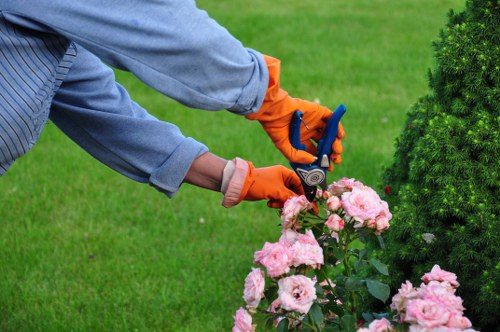
Garden design and build services are flexible. They can be adapted to all kinds of outdoor spaces, from small suburban plots to larger gardens requiring multiple zones. The aim is always the same: to create a space that works well for the people who use it, while fitting the property and the surrounding area.
In Downham, common project types include complete garden makeovers, patio installation, lawn replacement, raised beds, planting schemes, pergolas, fencing, decking, seating areas, and practical storage zones. Some customers come to the service after an extension or renovation and need the garden redesigned to match the new look of the house. Others simply want an older garden brought up to date with cleaner lines, better surfaces, and more manageable planting.
For family homes, the design often needs to combine beauty with resilience. That might mean hard-wearing paving, child-friendly lawns, visual screening, and planting that adds colour without creating endless upkeep. For busy households, low-maintenance garden design can be especially appealing, with a focus on durable materials, easy-care borders, and layouts that are simple to keep tidy throughout the year.
Residential and commercial outdoor spaces
Although many enquiries come from homeowners, a garden design and build service can also support commercial properties. Offices, hospitality spaces, managed housing, care settings, and small business premises can all benefit from outdoor areas that are neat, inviting, and easy to maintain. For commercial customers, the priorities may include durability, safe access, tidy presentation, and designs that continue to look professional with minimal disruption.
Residential and commercial projects both benefit from a tailored approach. A front garden in a terraced street has different needs from a courtyard behind a business or a larger rear garden in a detached property. The right solution should reflect the site, the purpose, and the level of ongoing care the customer wants to commit to.
How the garden design and build process usually works

A good project starts with a conversation about your goals. You might want a new patio, better planting, a safe play area, improved drainage, or a complete redesign. This first stage is where ideas are shaped into something workable. It is also the best time to discuss how you use the garden now, what frustrates you about it, and what kind of look you want to achieve.
After the initial discussion, the next step is usually site assessment. This is when measurements are taken and the garden is reviewed for access points, levels, soil conditions, sunlight, existing features, and potential constraints. In Downham, this stage can be especially important where gardens are accessed by side passages, where parking is tight, or where materials need to be moved carefully through narrow spaces. Planning for these details early keeps the build stage smoother and more efficient.
Once the layout has been agreed, the build phase can begin. That may involve clearing existing features, preparing the ground, installing drainage or sub-bases, building structures, laying paving or decking, and shaping the planting areas. Every stage should be completed with durability in mind, because the hidden work underneath the surface often determines how well the garden performs over time.
Design details that matter in real life
Good garden design is not only about appearance. It is about choosing the right size of seating area, the most practical path routes, the right level changes, and the best position for shade or shelter. It is also about creating flow between the house and the garden so that moving between them feels natural rather than awkward. These small details are what make a space feel comfortable to use every day.
Attention to detail is especially important where families, pets, or frequent visitors are involved. Surfaces should be safe and sensible, planting should be chosen with maintenance in mind, and borders should be arranged so they do not constantly spill into walkways. A smart layout should make life easier, not more complicated.
What can be included in a garden build?
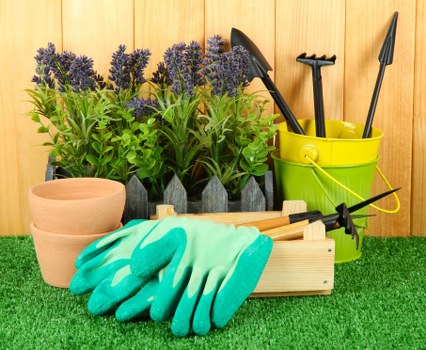
Every project is different, but a typical garden design and build package may include a combination of hard landscaping, soft landscaping, and finishing features. The right mix depends on the size of the space, the budget available, and the way you want the garden to function.
- Patios and paving for dining, relaxing, and entertaining
- Paths and stepping routes to connect key parts of the garden
- Decking for raised seating areas or level changes
- Fencing and boundary treatments for privacy, security, and style
- Lawn installation or replacement for family use and open space
- Raised beds and planters to introduce structure and planting depth
- Planting schemes suited to sun, shade, and seasonal interest
- Drainage solutions to help manage water and reduce standing puddles
- Lighting for ambience, safety, and evening use
- Storage features such as bin screens, sheds, or hidden utility spaces
- Pergolas and seating features to add character and definition
Not every garden needs every feature. In fact, one of the benefits of a considered design is knowing what to leave out. A busy, overfilled plot can feel smaller and harder to maintain. A clean, well-proportioned layout often creates a better result than a garden packed with too many ideas. The best outcome is a space that feels balanced and purposeful.
Materials and finishes that suit local homes
Material selection matters because it affects the look, lifespan, and upkeep of the garden. Natural stone, porcelain paving, brick edging, timber features, composite decking, gravel, and quality turf each bring different strengths. In Downham, where properties may range from older homes to newer developments, choosing materials that suit the house style can help the garden feel like a natural extension of the property.
Durability should always be considered alongside appearance. Surfaces need to cope with regular use, changes in weather, and day-to-day wear. If a garden is intended for heavy family use or frequent entertaining, the build specification should reflect that from the outset.
Garden design ideas for different Downham properties

Downham has a mix of property types, and each one brings different opportunities. Smaller rear gardens may benefit from a clean, open plan with a compact terrace, simple planting, and built-in storage. End-of-terrace homes may need side access solutions and strong privacy screening. Semi-detached properties often benefit from layouts that make the most of shared boundaries while still creating a distinct outdoor feel. Larger plots may allow for multiple zones, such as a dining terrace, a lawn, a planting area, and a quieter seating nook.
If your home backs onto neighbouring gardens, privacy can be a major consideration. Strategic planting, trellis, screens, and well-positioned boundaries can make the space feel more secluded without making it feel boxed in. If your plot is shaded by nearby buildings or mature trees, the planting scheme and surface choices may need to reflect that. A good design should respond to light levels, not fight against them.
For homes with limited outdoor space, the solution is often to simplify and sharpen the layout. Straightforward lines, lighter paving, vertical planting, and integrated storage can make a small garden feel more ordered and easier to enjoy. The aim is not to cram in every idea, but to create a space that feels generous in use even if the dimensions are modest.
Making the most of awkward spaces
Some gardens have awkward corners, uneven ground, or access routes that make planning more challenging. These issues are common and can usually be resolved with the right design thinking. Level changes may be turned into a feature with steps or raised beds, while narrow strips can be used for planting, screening, or storage rather than treated as wasted space. The point of a design-and-build service is to turn limitations into practical solutions.
Outdoor space should feel usable, not frustrating. Even a difficult garden can become a calm, functional area when the layout is carefully considered and the details are handled properly.
What to expect from a local garden design and build team
When you choose a local team for garden design and build in Downham, you should expect a process that feels clear and organised. That usually means listening to what you want, explaining the available options, outlining the order of work, and keeping the site manageable throughout the project. A good team should also be realistic about what is possible within your space and budget.
Local knowledge can make practical differences during the job itself. Parking, access, material deliveries, neighbour considerations, and waste removal all need to be planned carefully. In built-up streets or properties with limited side access, these details matter just as much as the finished design. A team used to working in the area can plan the job with fewer surprises.
Good communication also matters. You want to know what is happening, what the next stage will be, and whether any decisions need to be made along the way. For many customers, a major advantage of working with a local service is the sense that the project is being handled by people who understand the area and value a straightforward, professional approach.
Practical benefits of using a local company
- Better understanding of local property layouts and access conditions
- More practical planning for narrow paths, shared drives, and limited parking
- Faster site visits and easier coordination during the project
- Advice that reflects the style and use of homes in the area
- Less hassle when materials, spoil removal, or follow-up visits are needed
Preparing for your garden project
A little preparation can help your garden project run more smoothly. Before work begins, it is useful to think about how the garden is currently used, which features you want to keep, and what you would like to change. If possible, take note of the areas that become muddy, flooded, too shady, too overlooked, or difficult to reach. These details help shape the final layout.
You may also want to consider how you will use the garden in different seasons. For example, if you want to spend more time outdoors in spring and summer, a sunny seating area may be a priority. If you use the garden all year, then drainage, surfaces, shelter, and lighting may matter more. A design that works in July but becomes difficult in November is unlikely to satisfy you for long.
Preparation checklist:
- List the features you want to keep, replace, or remove
- Think about how you use the garden now and what is missing
- Decide whether low maintenance is a priority
- Consider privacy, sunlight, and shade across the day
- Note any access restrictions or parking challenges
- Gather inspiration from gardens you like, without needing to copy them exactly
- Be clear about your ideal timeline and level of disruption
Good preparation does not mean you need all the answers. It simply helps the design process begin with a clearer picture. If you are unsure where to start, that is completely normal. A professional team can help shape your ideas into a realistic plan that fits the property and your priorities.
Questions to ask before you book
Before committing to any garden build, it is sensible to ask how the project will be approached, what the likely stages are, and how site access will be managed. You may also want to discuss material choices, maintenance expectations, and whether the design can be adjusted if your priorities change. These conversations build confidence and help you understand whether the service is the right fit.
For customers who are ready to move ahead, requesting a free quote is often the best next step. It allows the project to be discussed in a practical way, with the main requirements, preferred style, and site conditions taken into account.
What affects the cost of garden design and build?
Because every garden is different, prices can vary widely from one project to another. It is better to think in terms of the factors that influence cost rather than expecting a one-size-fits-all figure. The size of the garden, the complexity of the design, the materials selected, and the amount of groundwork required all play a part.
Typical pricing factors can include:
- The overall size of the area being worked on
- Whether existing landscaping needs to be removed first
- The type and quality of materials chosen
- Drainage requirements and ground conditions
- Access difficulties for tools, waste, and deliveries
- Whether the project includes planting, lighting, or structures
- The level of detail in the finish and edging
It is also worth remembering that a well-planned build can help avoid unnecessary future spending. For example, if drainage is addressed properly now, you may avoid problems later. If a patio base is installed correctly, the surface is more likely to remain stable and attractive. If planting is chosen to suit the site, you may spend less time replacing failed shrubs or correcting gaps in the border.
Value over time
Many customers look beyond the initial build and think about long-term value. A thoughtfully designed garden can improve how your home functions, reduce maintenance frustration, and provide a space you actually want to use. That kind of practical improvement can be just as important as appearance alone. It is one of the reasons so many homeowners choose a proper design-and-build approach instead of doing each stage separately.
Areas covered around Downham
A local garden service in Downham is well placed to work across the surrounding neighbourhoods and nearby parts of south-east London. Customers may come from streets close to Downham itself as well as neighbouring residential areas where similar property types and access conditions are common. The advantage of covering the local area is that it makes site visits, planning, and delivery logistics easier to manage.
Nearby locations may include surrounding parts of Bromley, Lewisham, Beckenham, Catford, Bellingham, and other local residential districts, depending on the scope of the work and the service area. This is particularly helpful for customers who want a team familiar with the character of the area and the practical realities of working in built-up streets.
If you are not sure whether your property falls within the usual service area, it is sensible to ask when making an enquiry. The key point is to use a team that understands local access conditions, neighbouring boundaries, and the kinds of gardens commonly found in the area.
Why local relevance matters
A team that works regularly in and around Downham is more likely to understand the subtle differences between one street and another. Some roads have easier access than others, some gardens are more overlooked, and some plots are more exposed to wind or shade. These practical details influence design choices far more than many people realise. Local experience helps turn general ideas into a garden that genuinely suits the site.
Frequently asked questions
Do I need a full redesign, or can part of my garden be updated?
Not every project needs a complete overhaul. Many customers choose to refresh one part of the garden, such as a new patio, a planting scheme, or boundary screening. A design-led approach can still be useful even if only part of the space is being changed.
Can a garden be designed for low maintenance?
Yes. Low-maintenance options can include durable paving, simple planting structures, gravel areas, and practical boundaries. It is important to be realistic, though, because every garden needs some care. The goal is to reduce the workload and keep things manageable.
What if my garden has poor access?
Access issues are common and can usually be planned for. Narrow side passages, shared entrances, or limited parking should be discussed early so the build method, material delivery, and waste removal can be organised properly.
How long does a project take?
Project length depends on the size and complexity of the work. A simple patio or small garden refresh will usually take less time than a full redesign with multiple features. The best way to understand the likely timescale is to discuss the project scope at the quotation stage.
Can planting be included as part of the build?
Absolutely. Planting often makes the difference between a functional hard-landscaped space and a garden that feels finished. A balanced design usually includes both structure and greenery.
Is it possible to improve privacy without making the garden feel closed in?
Yes. Careful use of screening, planting, and boundary treatments can create privacy while still allowing light and openness. The layout and height of features need to be considered together to get the balance right.
What is the best next step if I am ready to start?
The simplest next step is to contact a local garden design and build service, explain what you want to achieve, and request a quote. From there, the design can be shaped around your property and priorities.
Ready to transform your outdoor space?
If you are thinking about garden design and build in Downham, now is a good time to move from ideas to action. A well-designed garden can improve how your home feels, make outdoor living easier, and create a space that works for everyday use as well as special occasions. Whether you want a full redesign or a targeted improvement, a local team can help you take the next step with confidence.
From practical layouts and durable surfaces to planting, privacy, and finishing details, the right service should make the process feel manageable and the result feel worthwhile. If you are comparing options, look for a team that listens carefully, understands local conditions, and is willing to build a solution around your space rather than forcing the space to fit a fixed idea.
Contact us today to discuss your plans, request a free quote, or book your service now and start planning a garden that suits your home in Downham.